

 Maravillas naturales
Maravillas naturales en Hawái
Napali Coast, Kauai
Las cumbres de color verde esmeralda, las playas ocultas y las cascadas son solo algunas de las maravillas naturales que verás a lo largo de esta orilla espectacular en la North Coast en Kauai. Para disfrutar de vistas inigualables, reserva un recorrido en barco y explora las diversas cuevas marinas secretas. O acércate con gran estilo por aire con un recorrido en helicóptero lleno de adrenalina.
Waimea Canyon, Kauai
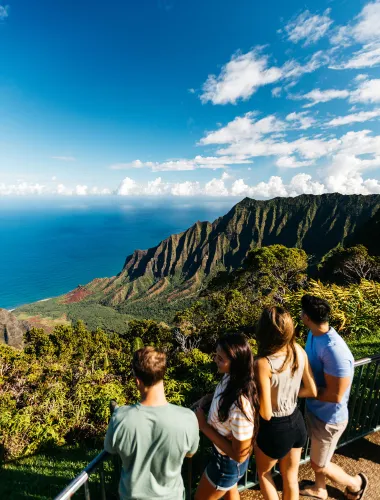
el Waimea Canyon tiene una longitud de 23 kilómetros y una profundidad de 1097 metros, que ofrece vistas panorámicas de colinas de cima plana, peñascos escabrosos y otros fenómenos geológicos que se encuentran en el increíble interior de Kauai. En las cercanías, el Kokee State Park ofrece otros 72 kilómetros de rutas increíbles de senderismo, además de un museo de historia natural muy educativo.
Leahi (cabeza de diamante), Oahu
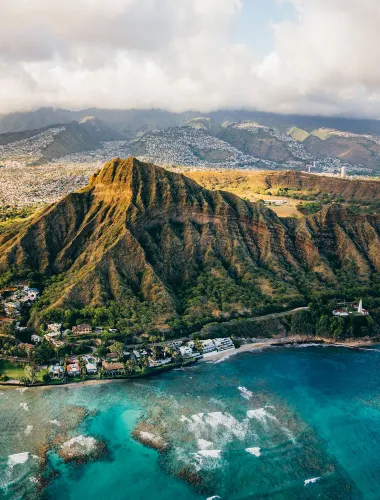
Este monumento estatal se ha convertido en un símbolo icónico de Hawái, y es el telón de fondo de innumerables fotografías que se toman en la Waikiki Beach. Denominada "cabeza de diamante" por un marino inglés que en el siglo XIX confundió los cristales brillantes de calcita con diamantes en las laderas del cráter, Leahi también es un destino accesible en un día de caminata, que ofrece algunas de las mejores vistas en Oahu.
Puu Pehe (la roca de los amantes), Lanai
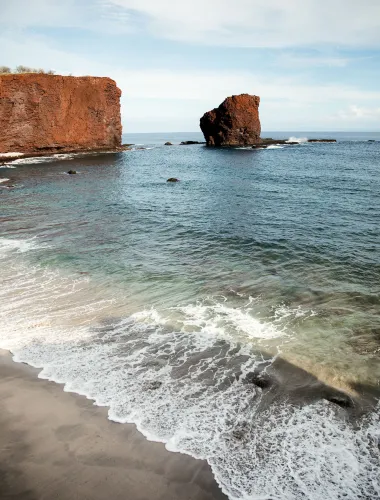
Esta formación rocosa inusual, que se eleva 24 metros sobre el océano entre Manele Bay y Hulopoe Bay, está inmersa en el folclore hawaiano debido a un dios enamorado, por quien recibió el apodo de "roca de los amantes".
Hana Highway, Maui
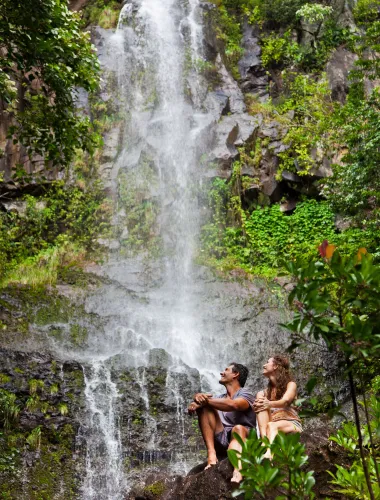
El viaje es el destino en esta ruta panorámica (que también ofrece momentos muy emocionantes) a través de algunos de los paisajes más espectaculares en el estado. La legendaria Hana Highway (HI-360) da giros y vueltas a través de bosques tropicales, cascadas y paisajes marítimos espectaculares, que están conectados por más de 50 puentes y 600 curvas. Comienza temprano y planifica muchas paradas en la ruta hacia el pueblo pacífico de Hana, un pintoresco vestigio del antiguo Hawái.
Papohaku Beach Park, Molokai
Esta playa aislada, ubicada en la escabrosa West Molokai, tiene una longitud de 4,9 kilómetros y un ancho de 91 metros en algunos puntos, y es una de las playas más grandes de arena blanca en Hawái.
Maunakea, isla de Hawái
Realiza un recorrido que te permitirá contemplar las estrellas en la cumbre del monte submarino más grande en el mundo, que mide más de 10 058 metros a partir del fondo del océano. Aquí, tanto expertos como visitantes pueden disfrutar de un espectáculo que pocos han presenciado. A esta altura, y gracias al aire limpio y la contaminación lumínica mínima, las estrellas iluminan el cielo con un brillo increíble.
Views of Paradise

Hawaiʻi Beaches
Relax at Waikīkī Beach on Oʻahu, Mākena Beach on Maui, Poʻipū Beach on Kauaʻi, Hulopo’e Beach on Lāna‘i, Pāpōhaku Beach on Molokaʻi and Hāpuna Beach on the Big Island.
Leer más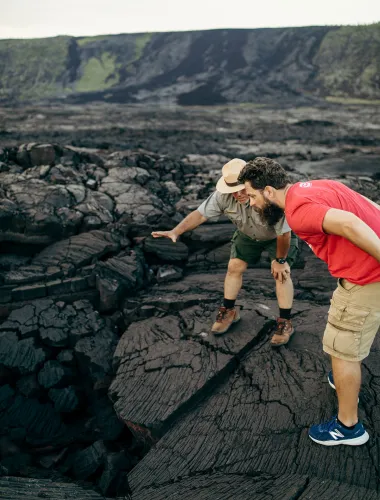
Volcano Locales
Safely explore the active and dormant volcanoes of Hawaiʻi, see several of them on the islands of Hawaiʻi and Maui. Guided tours are a must while visiting.
Leer más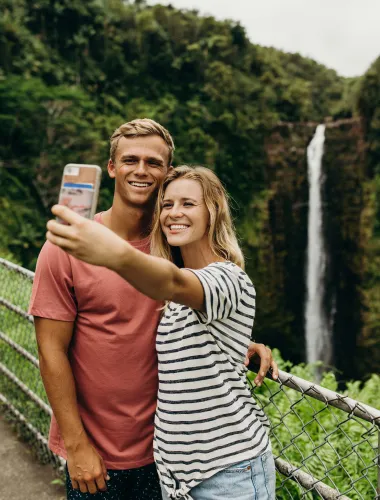
State & National Parks
Find over 50 state parks in the state, dozens of historically-significant spots that are federally protected as well as two national parks — Hawaiʻi Volcanoes National Park and Haleakalā National Park.
Leer más


Natural Wonders of Hawaiʻi


Frequently Asked Questions
What are the most famous natural wonders in Hawaiʻi?
Hawaiʻi is home to world-famous natural wonders including the Lēʻahi (Diamond Head), Nāpali Coast, Waimea Canyon, Pu‘upehe, Pāpōhaku Beach, Hāna Highway and Punaluʻu Black Sand Beach.
What are the most popular beaches of Hawaiʻi?
The most popular beaches in Hawaiʻi include Waikīkī and Sunset beaches on Oʻahu; Kāʻanapali and Wailea beaches on Maui; Hāpuna Beach and Kekaha Kai State Park on the island of Hawaiʻi; Poʻipū Beach and Hanalei Bay on Kauaʻi; Pāpōhaku and Hālawa beaches on Molokaʻi; and Hulopoʻe Beach on Lānaʻi.
What is the best way to experience Hawaiʻi’s natural wonders?
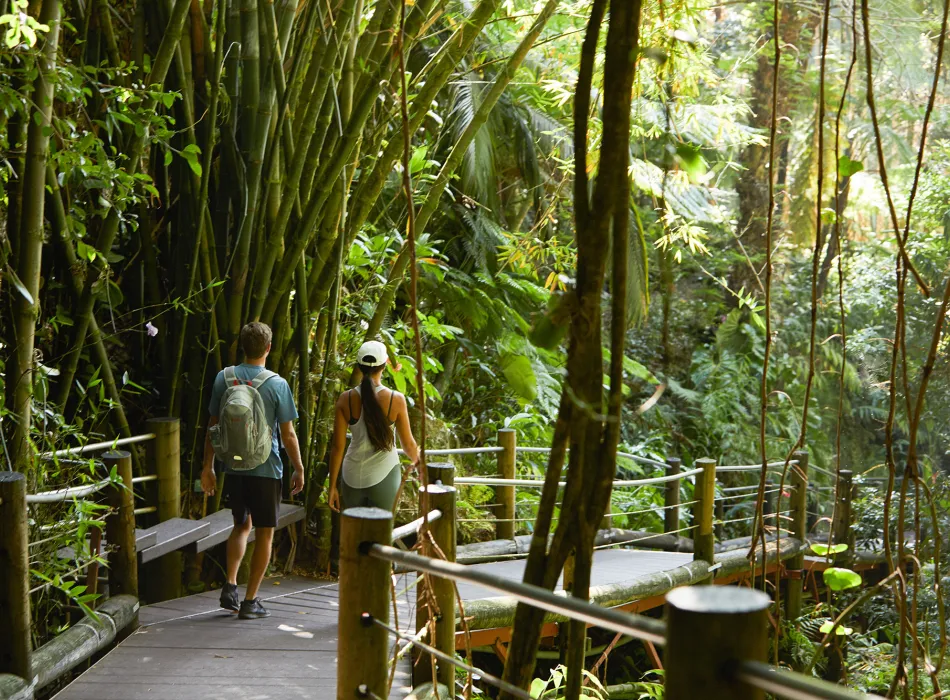
The best way to experience Hawaiʻi’s natural landscapes includes hiking trails, taking scenic drives, boat tours along the coast and helicopter rides for aerial views of remote areas.
What are some family-friendly nature experiences in Hawaiʻi?
Many of Hawaiʻi’s outdoor attractions are family-friendly. Calm beaches, short hiking trails, botanical gardens and guided tours make it easy for visitors of all ages to enjoy the islands’ landscapes safely and comfortably.
How can visitors explore Hawaiʻi’s nature respectfully?
Visitors are encouraged to follow responsible travel practices by staying on marked trails, respecting wildlife, avoiding touching coral reefs and following local guidance at beaches and parks. Practicing mālama Hawaiʻi, or caring for the land, helps preserve Hawaiʻi’s natural beauty for future generations.
When is the best time to explore nature in Hawaiʻi?
Hawaiʻi’s natural attractions can be enjoyed year-round, with each season offering different experiences. Winter months (December through February) may bring larger ocean swells and whale migrations, while summer months (June through August) often provides calmer waters and ideal conditions for hiking and snorkeling.
What are the best scenic viewpoints across Hawaiʻi?
On Oʻahu, the Nuʻuanu Pali Lookout, Makapuʻu Lookout, Tantalus Lookout and Lēʻahi (Diamond Head) deliver stunning views over paradise. On Maui, the Kalahaku Overlook and the summit building at Haleakalā National Park look out over the volcano's massive crater. On Kauaʻi, the Kalalau Valley Lookout and the many pullouts along Waimea Canyon reveal the island's dramatic, rainbow-hued gorges. On the island of Hawaiʻi, the Pololū Valley Lookout at the end of the Kohala coast highway and the crater-rim drive through Hawaiʻi Volcanoes National Park showcase the island's volcanic origins. On Molokaʻi, the Kalaupapa Overlook peers down to the remote peninsula below. On Lānaʻi, the Munro Trail climbs to the island's highest point for views across four other islands.
What are popular locations for snorkeling safely in Hawaiʻi?
On Oʻahu, Hanauma Bay Nature Preserve is a lifeguarded, coral-ringed bay, while the Ko Olina Lagoons are ideal for families. On Maui, Kapalua Bay and neighboring Napili Bay are protected, crescent-shaped bays with gentle year-round conditions. On Kauaʻi, Lydgate Beach Park is the island's easiest and safest option thanks to a rock wall that creates a protected swimming pool. On the island of Hawaiʻi, Kahaluʻu Beach Park has lifeguards and a shallow reef perfect for first-timers. On Molokaʻi, the south shore is home to the longest continuous fringing reef in the U.S., making for gentle, uncrowded snorkeling. On Lānaʻi, Hulopoʻe Bay is a protected marine preserve with some of the calmest water in the state. Always check surf and weather conditions before entering the water, and avoid north-facing shores in winter when swells can turn dangerous.