


 문화
문화
하와이의 예술과 문화: 알로하 정신
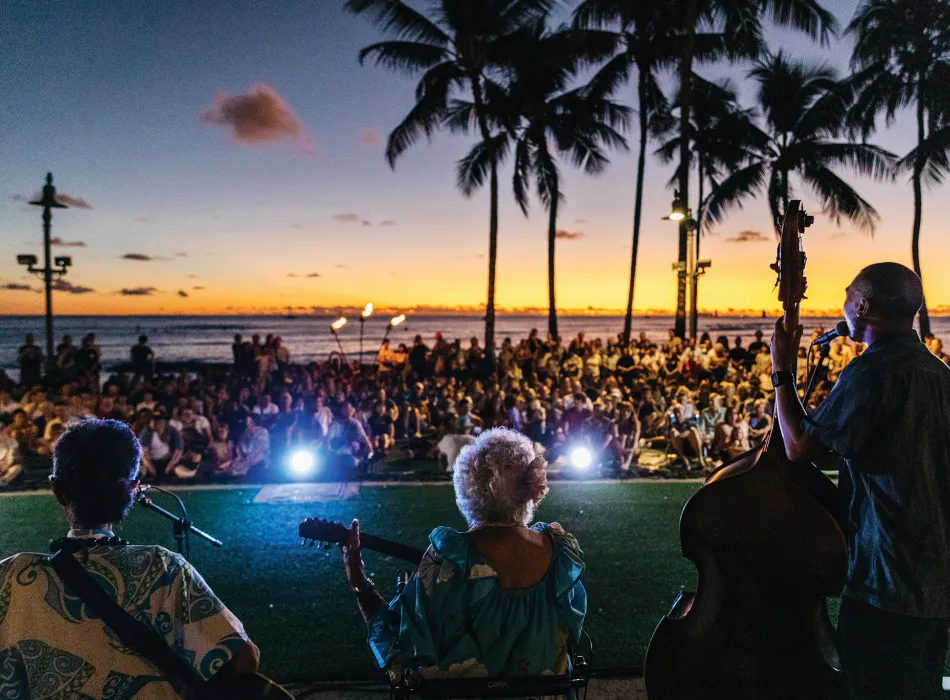
하와이의 다양성은 무엇보다도 언어, 음악, 미술, 공연, 춤, 영화, 요리와 수많은 축제에 잘 표현되어 있습니다. 훌라 댄서의 유려한 손동작에도, 부드러운 슬랙키 기타 연주에도 알로하 정신이 녹아있습니다. ‘알로하 정신’은 한 사람의 몸과 마음이 조화를 이루어 온전한 자신을 찾아가는 정신입니다. 상대방을 생각하고 좋은 태도를 지녀야 합니다. 생명의 힘을 생각하고 존중하세요.


Learn Hawaiian Culture



Top Heritage Sites of Hawaiʻi

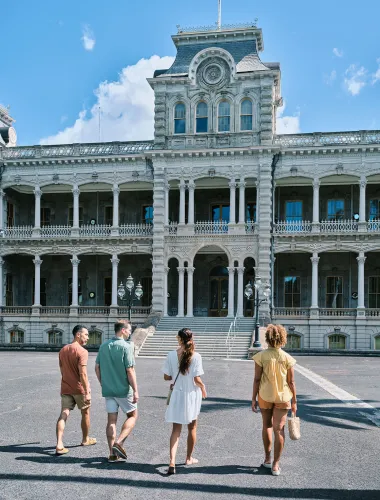


에아 마이 하와이이누이아케아
Frequently Asked Questions
What are some traditional Hawaiian customs and traditions?
Hawaiian customs and traditions reflect respect, community and nature. Common practices include wearing lei, sharing meals at a lūʻau and speaking ‘Ōlelo Hawai‘i (Hawaiian language). Cultural expressions like hula pass down history, while the aloha spirit, mālama ʻāina (caring for the land) and ʻohana (family) shape meaningful relationships and responsibilities.
What is a hula performance?
Hula is a cultural practice that has been passed down through generations across Hawaiʻi. Through movement, chant, and music, it shares history, genealogy, and stories rooted in Native Hawaiian traditions. Today, hula continues to be taught, practiced, and preserved by kumu hula (hula teachers), hālau hula (hula schools), and communities throughout the islands.
What is a lūʻau and what can visitors expect?
A lūʻau is a gathering that brings people together to share food, music and hula. Traditionally rooted in community celebration, today’s lūʻau may also welcome visitors to experience storytelling, performances and locally inspired cuisine in a group setting.
What is a lei and what does it represent?
A lei is a garland made from flowers, leaves, shells or other natural materials, shared in the spirit of aloha. Wearing or giving a lei carries cultural meaning and should be offered and received with care and gratitude. It is considered disrespectful to throw away a lei, instead one should return it to the land by scattering the flowers into the ocean, burying them into a garden or hanging it from a tree to naturally decompose.
What are popular cultural and history museums in Hawaiʻi?
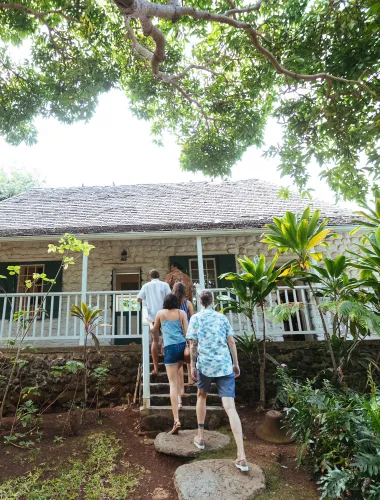
Popular cultural museums in Hawaiʻi include the Bishop Museum, ʻIolani Palace, Honolulu Museum of Art, Lyman Museum, Kauaʻi Museum, Kōkeʻe Natural History Museum, Huliheʻe Palace and the Pearl Harbor National Memorial.
What are the top cultural festivals and events in Hawaiʻi?
Top cultural festivals and events in Hawaiʻi include Aloha Festivals, Merrie Monarch Festival, Prince Lot Hula Festival, Kona Coffee Cultural Festival, King Kamehameha Day celebrations, Honolulu Festival, Kōloa Plantation Days and Eō E ʻEmalani I Alaka‘i Festival.
What should I know about Hawaiian culture before visiting?
Much of island culture is influenced by its core values, like aloha (compassion and respect), mālama ʻāina (caring for the land) and ʻohana (family and community). These principles shape daily life in Hawaiʻi and guide how visitors can interact thoughtfully with people and places.
Are there cultural etiquette tips visitors should know before visiting Hawaiʻi?
Yes. Visitors are encouraged to show respect for local communities, cultural sites and natural resources. Practicing aloha, caring for the land and ocean, following local guidance, and learning about Hawaiian history and traditions can help foster meaningful and respectful experiences.
How can visitors respectfully engage with Native Hawaiian culture?
Visitors can engage respectfully by learning about local customs, supporting Native Hawaiian-owned businesses and cultural practitioners, asking before entering culturally sensitive areas, following posted guidelines and practicing mālama ʻāina by caring for the places they visit.